

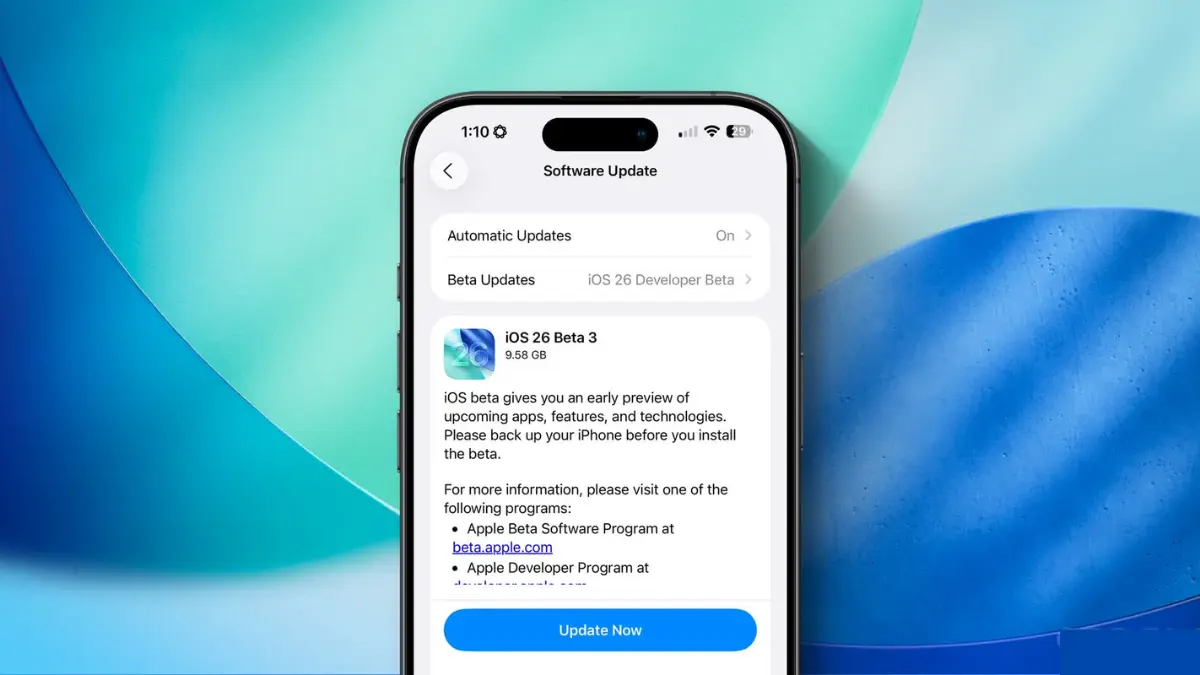

Apple is preparing to roll out iOS 26.3, an update that could significantly reshape how European users connect third-party devices with their iPhones and iPads. Currently available in beta and expected to reach end users by the end of January, the update introduces improvements directly linked to the European Union’s push for fair competition under the Digital Markets Act (DMA).
According to reports from MacRumors, these changes have already received positive feedback from the European Commission, signaling a rare moment of alignment between Apple and EU regulators. The core objective is simple: allow third-party accessory makers in Europe to access iOS features that were previously reserved mainly for Apple’s own ecosystem.
Why iOS 26.3 Matters in Europe
For years, Apple has been criticized for maintaining a tightly controlled ecosystem, where features like seamless pairing and deep notification integration worked best—sometimes exclusively—with Apple-made accessories such as AirPods and Apple Watch. European regulators argued that this approach restricted competition and limited consumer choice.
With iOS 26.3, Apple is responding directly to these concerns. The update aims to ensure a more level playing field, giving third-party manufacturers—especially those based in the EU—access to system-level capabilities that improve usability and competitiveness.
This shift represents more than a technical update; it marks a strategic change in how Apple approaches interoperability in regulated markets.
New Features for Third-Party Devices in iOS 26.3
1. Proximity Pairing for Accessories
One of the most notable enhancements is proximity pairing for third-party devices. Until now, this smooth, near-instant pairing experience was largely an Apple-exclusive feature.
With iOS 26.3:
For consumers, this means less friction and faster setup when using non-Apple audio devices or accessories.
2. Notification Support on Third-Party Wearables
Another major change involves notifications on third-party smartwatches and peripherals. Apple will allow:
However, Apple has introduced a limitation:
While this maintains some level of ecosystem control, it still represents a significant expansion of functionality for non-Apple wearables in Europe.
3. Expanded Testing for Developers
The European Commission has confirmed that, with iOS 26.3:
For developers and manufacturers, this early access is crucial for building compatible hardware and apps ahead of wider adoption.
What This Means for iPhone and iPad Users
For European users, iOS 26.3 translates into greater freedom of choice:
However, it is important to note:
Other iOS 26.3 Features Beyond Device Pairing
While third-party integration is the headline feature, iOS 26.3 also includes several user-facing updates.
Wallpaper and UI Refinements
Android Transfer Improvements
Apple is also preparing to launch an Android transfer setting, developed in collaboration with Google. This feature is designed to:
This change reflects Apple’s growing emphasis on compliance and user flexibility in regulated markets.
A Strategic Shift for Apple
In an official statement, the European Commission described iOS 26.3 as “another step toward a more interconnected digital ecosystem for the benefit of all EU citizens.” While Apple still maintains tight control over its platform, this update shows a willingness to adapt under regulatory pressure.
For accessory makers, developers, and consumers alike, iOS 26.3 signals the beginning of a more open—though still carefully managed—Apple ecosystem in Europe.
👉 Also Read: Apple iOS 26.2 Release Date.
Apple iOS 26.3 is not just another incremental update. For European users, it represents a meaningful expansion of choice, convenience, and competition. By opening up proximity pairing and notification access to third-party devices, Apple is aligning itself more closely with EU regulations while delivering tangible benefits to consumers.
As the full rollout approaches and broader functionality arrives in 2026, iOS 26.3 may be remembered as the update that quietly redefined Apple’s relationship with third-party hardware—at least in Europe.