




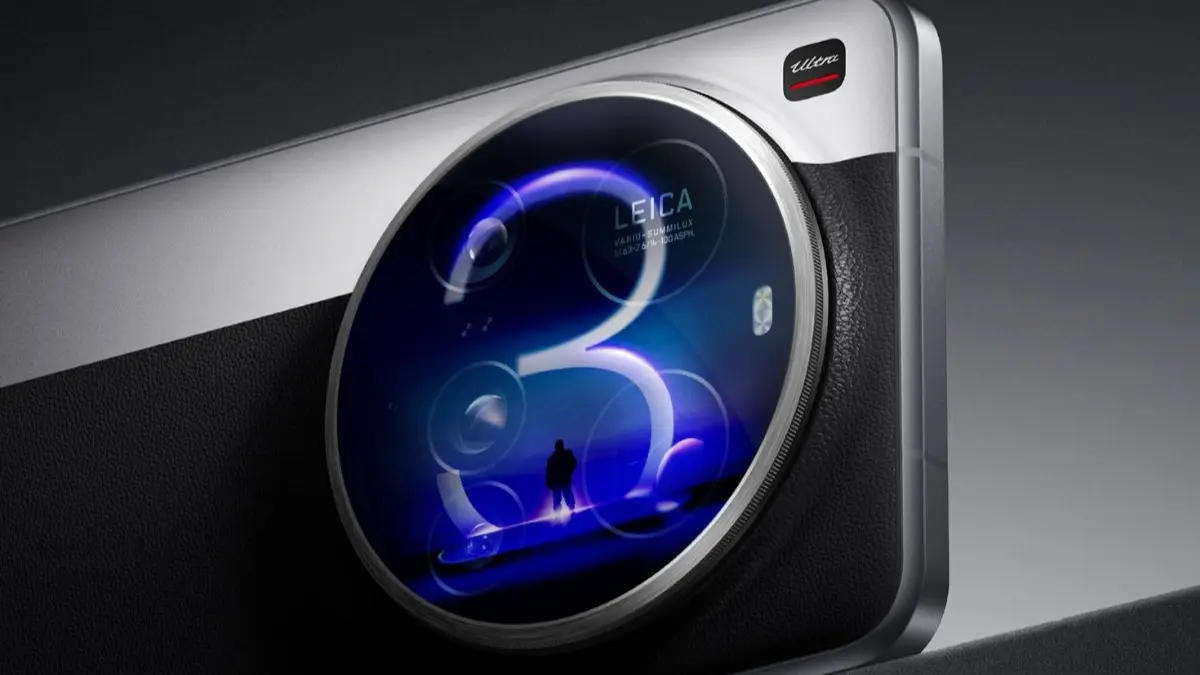

Xiaomi has officially kicked off the rollout of its latest HyperOS 3 update for the Xiaomi 15 Ultra, marking one of the brand’s most significant software upgrades to date. Based on Android 16, the update weighs a substantial 8.9GB and comes with the build number 3.0.5.0.WOAEUXM. As expected, the rollout is being conducted in phases, meaning only a limited number of users are currently receiving the update, while others may have to wait a few more days.
The new software update focuses on three major areas—performance optimization, visual refinement, and AI-powered smart features—cementing Xiaomi’s intent to compete directly with premium Android and Apple ecosystems.
HyperOS 3 Rollout: What Users Should Know
The HyperOS 3 update is currently being pushed to Xiaomi 15 Ultra users in select regions. Since it is a phased rollout, availability may vary depending on region and device batch. Xiaomi typically expands the rollout gradually to monitor system stability before releasing it to a wider audience.
Given the size of the update, users are advised to connect their devices to a stable Wi-Fi network and ensure sufficient battery life before installing the software.
How to Install HyperOS 3 on Xiaomi 15 Ultra
Installing the new HyperOS 3 update is a straightforward process. Users can follow these steps once the update becomes available on their device:
- Open Settings on your Xiaomi 15 Ultra
- Tap on About Phone
- Select System Update
- Tap on Check for updates
- If HyperOS 3 is available, tap Download and Install
It is recommended to back up important data before proceeding, as major system updates can sometimes lead to unexpected issues.
HyperOS 3: What’s New?
Redesigned Visual Experience
One of the standout aspects of HyperOS 3 is its refined visual language. Xiaomi has introduced a redesigned home screen grid, offering better spacing and alignment for icons and widgets. The system now follows a unified rounded-corner design, creating a more consistent and premium look across apps, menus, and system UI elements.
Customization options for built-in apps have also been expanded, allowing users to personalize their experience more deeply than before.
HyperIsland: Xiaomi’s Dynamic Island Alternative
HyperOS 3 introduces HyperIsland, a pill-shaped notification system positioned at the top of the display. Similar in concept to Apple’s Dynamic Island, HyperIsland allows users to quickly glance at ongoing activities such as music playback, navigation, charging speed, and more—without opening the app.
The feature also supports live activity updates, enabling real-time information display directly on the home screen. Xiaomi has further enhanced this with a dual-island layout, allowing users to switch between active apps, expand notifications, and manage background tasks seamlessly.
Enhanced Multitasking and Productivity
The dual-island system significantly improves multitasking by reducing app-switching friction. Users can interact with multiple tasks simultaneously, improving efficiency—especially for professionals and power users.
This layout allows users to expand, collapse, or switch tasks without disrupting their current workflow, making HyperOS 3 one of Xiaomi’s most productivity-focused updates so far.
Dynamic Wallpapers and Cinematic Lock Screens
HyperOS 3 also adds new creative tools that allow users to generate dynamic wallpapers and cinematic lock screens from still images. These wallpapers add depth, subtle motion, and immersive transitions, giving the device a premium visual appeal.
This feature is particularly aimed at users who enjoy personalization without relying on third-party apps.
HyperAI: Smarter AI Integration
Built on Android 16, HyperOS 3 introduces Xiaomi’s HyperAI suite, bringing advanced artificial intelligence capabilities directly into the system.
AI Writing and Smart Recognition
HyperAI includes AI-powered writing assistance, allowing users to modify the tone, style, and clarity of messages and emails. The system also supports smart screen recognition, enabling users to extract context-aware information directly from displayed content.
The newly introduced DeepThink mode further enhances contextual understanding, helping users generate more refined and meaningful responses.
AI Audio and Speed Recognition
Another major highlight is AI Speed Recognition, which focuses on improving audio-related tasks. The feature enhances call and recording audio quality, provides real-time transcription, and automatically generates concise summaries of recorded conversations.
This functionality is particularly useful for journalists, students, and professionals who frequently rely on voice notes and meetings.
Performance and Stability Improvements
Beyond visual and AI upgrades, HyperOS 3 brings multiple under-the-hood enhancements. Xiaomi claims improved system fluidity, faster app launch times, and better power efficiency. Background process management has also been optimized to ensure smoother performance during heavy multitasking.
Early user feedback suggests noticeable improvements in overall responsiveness, making the Xiaomi 15 Ultra feel even more refined.
Final Thoughts
The HyperOS 3 update is a major leap forward for Xiaomi’s software ecosystem. With Android 16 at its core, the update blends performance, design, and artificial intelligence into a cohesive experience. Features like HyperIsland, HyperAI, dynamic wallpapers, and enhanced multitasking elevate the Xiaomi 15 Ultra’s premium appeal.
While the phased rollout means some users may need to wait, the update is well worth it. HyperOS 3 positions Xiaomi as a serious contender in the high-end smartphone software race, offering features that rival—and in some areas surpass—its competitors.